
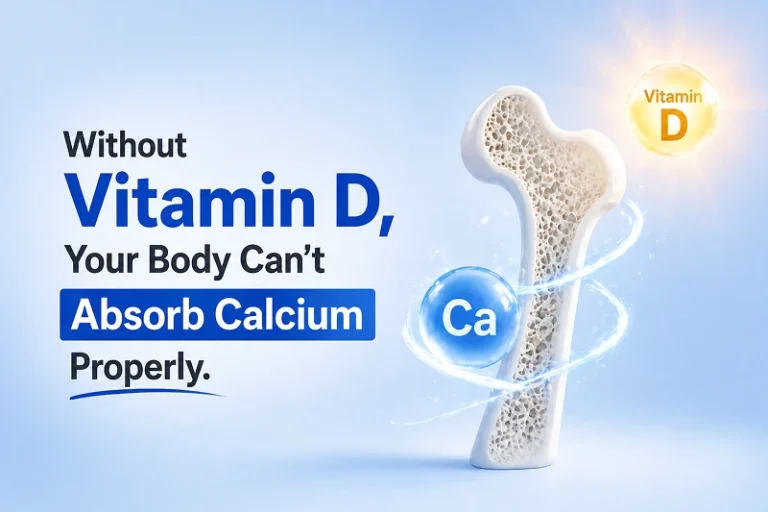
Maintaining strong bones is key for good health. Vitamin D is vital for this. It helps your body take in calcium; a mineral needed for strong bones.
If you don’t have enough Vitamin D, your body can’t take in calcium well. This can cause weak bones and osteoporosis. This is a big concern in Bangladesh. There, not enough sunlight and certain diets can lead to Vitamin D deficiency.
Knowing how Vitamin D helps with calcium absorption is important for bone health. Having enough Vitamin D can stop bone problems.
The Vital Connection Between Vitamin D and Calcium
Vitamin D is key for your body to absorb calcium. It’s vital for strong bones and teeth. Without enough Vitamin D, your body can’t use the calcium you eat.
Vitamin D helps your body take in calcium from food. It controls genes that help transport calcium. With enough Vitamin D, your body can absorb the calcium it needs for bones.
How Vitamin D Enables Calcium Absorption
Vitamin D helps your body take in calcium from food. It controls genes that help transport calcium. With enough Vitamin D, your body can absorb the calcium it needs for bones.
The Science Behind This Essential Partnership
Vitamin D and calcium work together in your body. Vitamin D receptors help control calcium levels by aiding its absorption in the gut. This ensures your bones stay strong and healthy.
So, it’s important to keep both Vitamin D and calcium levels up for good bone health. A lack of Vitamin D can cause calcium deficiency. This shows how important their partnership is.
Understanding Calcium Deficiency and Its Impact
It’s important to know the risks of calcium deficiency to keep your bones strong. Calcium helps with muscle and nerve functions, and it’s key for bone health.
Early Warning Signs You Shouldn’t Ignore
Not getting enough calcium can cause muscle cramps, spasms, or weakness. You might also feel fatigue, have brittle nails, or feel numbness or tingling in your hands and feet. If you notice these signs, see a doctor right away.
How Calcium Deficiency Affects Different Age Groups
Calcium deficiency affects everyone differently. Kids might grow slower and have weaker bones. Adults might face osteoporosis, more fractures, and dental issues. Older adults could see bone loss worsen, raising the risk of osteoporosis and fractures.
Getting Enough Vitamin D and Calcium
In Bangladesh, it’s key to get enough Vitamin D and calcium for strong bones and health. You can do this by getting some sunlight, eating foods rich in calcium, and taking supplements if needed.
- Sunlight Exposure: Balancing Benefits and Risks
Sunlight is a natural way to get Vitamin D. Expose your skin to sunlight for 10-15 minutes in the early morning or late afternoon, aim for the period between 10 a.m. and 12 p.m. This helps make more Vitamin D. But, be careful not to stay out too long, especially when the sun is strongest, to prevent skin harm. - Calcium-Rich Foods
Traditional Bangladeshi food is full of calcium. Make sure to eat milk, yogurt, cheese, eggs and fish often. Also, add green leafy vegetables to your meals. You can also find calcium in fortified foods to help meet your needs.
When to Consider Calcium Supplements
If you can’t get enough calcium from food, think about calcium supplements. Talk to a doctor before starting them. This is especially true if you’re at risk of calcium deficiency or have been diagnosed with it.
Conclusion: Building Strong Bones for a Healthier Future
Keeping your bones strong is key to good health. It begins with enough calcium and Vitamin D. Vitamin D helps your body use calcium well. Without it, you might face health problems.
In Bangladesh, you can easily increase your calcium and Vitamin D. Eat foods rich in calcium like leafy greens and fish. Also, getting some sunlight is good. If needed, talk to a doctor about supplements.